
Fair prices. Fast approvals. Your health always comes first. Get Qualified for a Illinois Medical Marijuana Card Today.
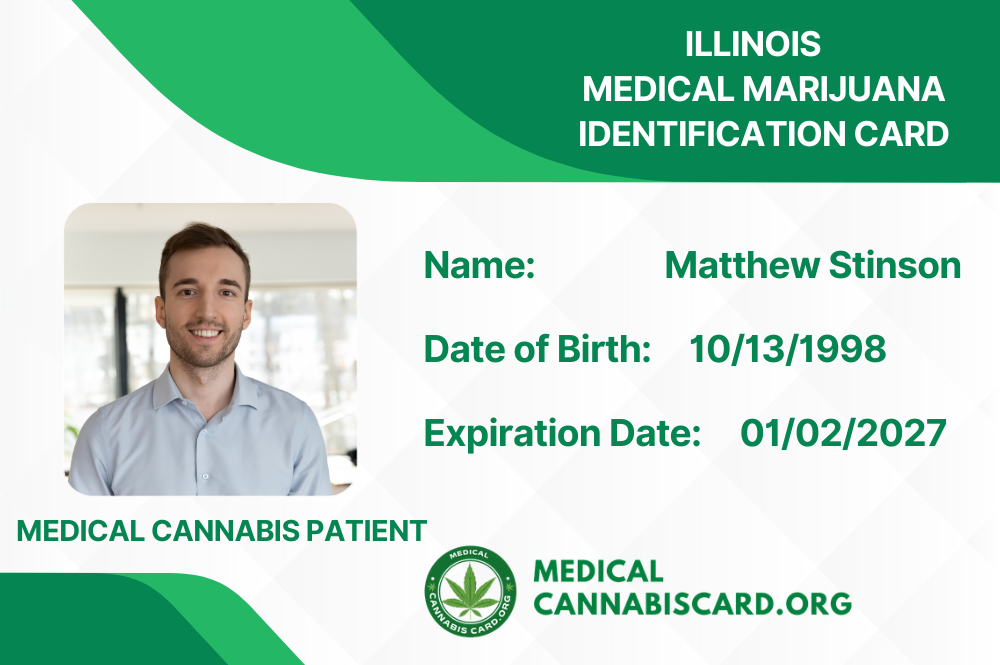
Navigating the healthcare system can feel like driving through a snowstorm on I-90—confusing and a bit stressful. However, if you are looking for natural relief, the first thing you need to know is which health issues the state recognizes. Understanding the qualifying conditions for Medical Card in Illinois 2026 is essential for any resident looking to access the Medical Cannabis Patient Program (MCPP).
Whether you live in a historic Greystone in Logan Square or a ranch-style home in the quiet suburbs of Naperville, your path to wellness starts with knowing if your condition is on the official list. This guide breaks down everything you need to know about the current medical requirements in the Land of Lincoln.
Illinois has one of the most comprehensive medical cannabis programs in the country. Even though recreational use is legal, the medical program is designed for patients who need consistent, high-quality care.
The state updates its list of conditions to reflect new medical research and patient needs. By staying informed on the qualifying conditions for Medical Card in Illinois 2026, you ensure that you aren’t paying high recreational taxes for a medicine you truly need.
Medical patients in Illinois receive protections that recreational users do not. This includes lower costs, higher possession limits, and the ability to grow your own plants at home. If you are dealing with a long-term illness, checking this list is your first step toward significant savings and better health outcomes.
The Illinois Department of Public Health (IDPH) oversees the list of approved ailments. These conditions range from physical disabilities to mental health struggles.
Chronic pain is the most common reason Illinoisans seek a medical card. If you find it hard to walk through the Morton Arboretum or spend a day shopping at the Woodfield Mall because of physical discomfort, you likely qualify.
Many patients find that cannabis helps manage the complex symptoms of neurological issues.
The state recognizes that mental health is just as important as physical health.
Living with an autoimmune disorder can be exhausting. Many Illinois residents in rural areas or busy city centers deal with these daily.
For those undergoing heavy treatments like chemotherapy, medical cannabis provides much-needed relief from nausea and weight loss.
Mike is a retired factory worker living in Peoria. He spent thirty years working on his feet, and by the time he retired, his knees and back were in constant pain. “The winters here are brutal,” Mike says. “The cold gets into my bones. I used to just sit in my recliner all day because moving hurt too much.”
Mike checked the qualifying conditions for the Medical Card in Illinois 2026 and realized his chronic back pain made him eligible. After getting his card online, he started using a high-CBD topical cream and a low-dose edible at night. “I can actually walk my dog around the park now. I’m not just surviving the Illinois winter; I’m living through it.”
Illinois weather is famous for its extremes. We go from 90-degree humidity in July to sub-zero temperatures in January. These changes can cause major flare-ups for people with arthritis, migraines, or respiratory issues. If you live in a drafty older home in Rockford or a high-rise in the Gold Coast, you know how the environment affects your body.
When the atmospheric pressure changes before a big storm rolls across the prairies, many people experience “weather-related” pain. This is a very real reality for residents. If this pain is documented by a doctor and lasts for more than six months, you should look into getting your medical certification.
Illinois has been a leader in fighting the opioid crisis. If you have a condition that would normally be treated with an opioid (like Vicodin or Percocet), you can get a medical cannabis card instead.
This is a faster track for many patients who want to avoid the risks of addiction associated with pharmaceutical painkillers. This program is a vital part of the qualifying conditions for Medical Card in Illinois 2026 framework.
If you see your condition on the list above, the process is straightforward.
You can read our full guide on how to get an Illinois medical marijuana card online for a step-by-step walkthrough of the application.
Some people ask, “Why bother if I can just go to a shop in Joliet and buy it?” Here is the breakdown:
While records help, a discussion with a qualified doctor about your symptoms is often enough for a certification if the doctor can diagnose the condition during the visit.
If your health issue affects your quality of life—whether it’s sleep, work, or movement—it is worth discussing with a professional.worth discussing with a professional.
The Illinois list is actually one of the longest in the Midwest. It covers almost any major chronic issue you can imagine.
The state of Illinois wants patients to have safe, legal access to their medicine. By keeping the list of qualifying conditions for Medical Card in Illinois 2026 broad and inclusive, they ensure that everyone from the suburbs of Chicago to the farms in Southern Illinois can find the relief they deserve.
Don’t let a “little bit of pain” stop you from exploring a healthier lifestyle. If you are struggling with any of the issues mentioned today, reach out to a professional and start your application.