
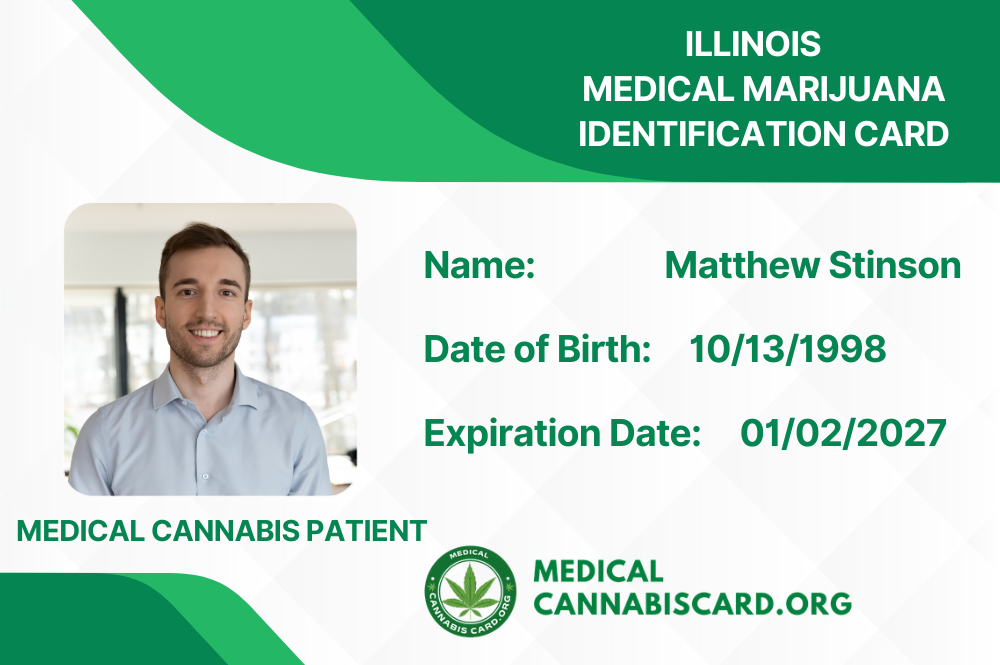
For a patient living in Illinois and suffering from any form of chronic illness, obtaining a medical cannabis card could be the best thing to do for oneself. With the introduction of the medical cannabis program in Illinois, you will have access to the plant legally in several instances, apart from other perks that are reserved exclusively for medical patients. If you want to learn more about acquiring a medical card, then continue reading.
The landscape of cannabis in the Midwest has changed rapidly over the last few years. If you are standing on the steps of the Art Institute of Chicago or driving past the sprawling cornfields of Sangamon County, you might be asking yourself: is marijuana legal in Illinois 2026? The short answer is yes. Both recreational and medical marijuana are legal for adults in the Prairie State. However, while it is legal, there are very specific rules that govern how much you can carry, where you can use it, and how much you have to pay in taxes.
Navigating these laws is important for everyone. Whether you live in a classic brick bungalow in Berwyn, a modern glass high-rise in the West Loop, or a quiet ranch-style home in Peoria, you need to know your rights.
In 2026, Illinois remains one of the most regulated yet accessible markets for cannabis in the United States. This guide will break down the current state of the law and why many residents still choose the medical route over recreational use.
Since the Cannabis Regulation and Tax Act took effect, Illinois has built a robust industry. In 2026, the state continues to expand its social equity programs and dispensary licenses. If you are a resident or a visitor, the primary question “is marijuana legal in Illinois 2026”—comes with a “yes,” but with conditions.
Recreational marijuana is legal for any adult aged 21 or older. You do not need a special permit to buy it, but you do need a valid government-issued ID. You can walk into any licensed “Adult-Use” dispensary from Rockford down to Cairo and make a purchase.
Medical marijuana, however, is governed by the Compassionate Use of Medical Cannabis Program. This program is for patients with specific health conditions. While recreational use is popular, the medical program offers benefits that recreational users do not get, such as much lower taxes and the ability to grow plants at home.
Even though it is legal, you cannot carry an unlimited amount. The state enforces strict possession limits based on your residency.
Visitors have lower limits. If you are visiting from Indiana or Missouri to see a game at Wrigley Field, your limits are exactly half of what residents are allowed.
One of the most confusing parts of the law is where you can actually use the products you buy. Illinois law is very protective of public spaces.
This is where the distinction between “legal” and “affordable” becomes clear. If you are asking is marijuana legal in Illinois 2026?, you should also ask how much it costs. Illinois has some of the highest cannabis taxes in the country for recreational users.
For a regular user in a high-cost area like the Chicago suburbs, having a medical card can save thousands of dollars per year. The savings alone are often why residents choose to maintain their medical status even though recreational weed is available.
Beyond the tax savings, there are several legal protections that medical patients enjoy that recreational users do not.
In Illinois, only medical cardholders are legally allowed to grow cannabis at home. You can grow up to five plants. This is a huge benefit for those living in rural parts of the state with plenty of space. If you are a recreational user caught growing plants, you could face significant fines.
During supply shortages, dispensaries must prioritize medical patients. Additionally, medical patients often have access to higher-potency products that are not available on the recreational side.
Medical patients have certain protections under Illinois law that prevent landlords or employers from discriminating against them solely for their status as a registered patient. This provides a safety net that recreational users don’t have.
Consider the story of “David,” a 45-year-old living in the South Loop. David works a high-stress job and suffers from chronic back pain caused by years of commuting on the “L” train and walking the city streets. When he first asked, “is marijuana legal in Illinois 2026?”, he realized he could just go to a store.
However, the high prices at the dispensary near Navy Pier were eating into his budget. After consulting with a doctor and getting his medical card, his costs dropped by 30%. He also felt more secure knowing he was a registered patient with legal protections.
David now manages his pain effectively and enjoys the summer festivals at Grant Park without the constant discomfort he once felt.
Illinois weather is famous for its extremes. We have the “Chiberia” winters with lake-effect snow and sweltering, humid summers.
The process has become much easier thanks to telehealth. You no longer have to find a specialist in person.
The legal system in Illinois is designed to provide choices. You can choose the convenience of recreational use or the long-term savings and protection of the medical program. So, is marijuana legal in Illinois 2026? Yes, it is. But being a smart consumer means knowing the limits, the taxes, and the benefits of each path.
As the sun sets over the Illinois River or the skyline of Chicago, residents can breathe easy knowing they have access to safe, regulated cannabis. Just remember to stay informed, stay within your limits, and always consume responsibly.
Yes. Even though it is legal, Illinois is an “at-will” employment state. Employers can still have zero-tolerance policies, especially for “safety-sensitive” jobs like driving a bus or operating heavy machinery.
No. Even if you are traveling to another legal state like Michigan, it is a federal crime to cross state lines with cannabis. Keep your products within the Illinois borders.
The state has moved to regulate hemp-derived cannabinoids like Delta-8 more strictly to ensure they meet the same safety standards as legal marijuana. Always buy from licensed dispensaries to ensure safety.